Facebook Ads vs Google Ads for Lead Generation
When you want more customers, paid advertising can put your business in front of the right people. Two popular choices are Facebook Ads and Google Ads.
Both platforms can help you generate leads, but they work in different ways. Understanding those differences can help you choose the better option.
Google Ads usually reaches people who are already searching for something they need. Facebook Ads can reach people based on their interests, behaviour, and online activity.
Your choice should depend on your business, audience, goals, and budget. Sometimes, using both platforms can create an even stronger marketing strategy.
Let’s look at how each platform works and when you should consider using it.
How Google Ads Can Generate Leads
Google Ads can be powerful because it reaches people when they are actively searching. Someone may search for a service because they need help right now.
For example, imagine someone searches for “plumber near me.” They already have a problem and probably want a solution quickly.
Your advertisement can appear when they search for relevant keywords. If your offer matches their needs, they can click your advert and visit your website.
This makes Google Ads particularly useful for businesses offering services people actively search for. Examples include plumbers, electricians, accountants, cleaners, lawyers, and digital marketers.
You can also target specific locations, keywords, devices, and audiences. This gives you considerable control over where your advertising appears.
The biggest advantage is purchase intent. You are reaching people who have already raised their hands and said, “I need this.”
How Facebook Ads Can Generate Leads
Facebook Ads work differently because people usually are not searching for your service. They are scrolling through their social feeds.
That does not mean they cannot become valuable leads. Facebook can introduce your business to people before they start searching.
You can target audiences using interests, demographics, behaviours, locations, and other available targeting options.
For example, a gym could advertise a free consultation to people interested in fitness. A travel company could promote a holiday package to people interested in travel.
Facebook also offers visually engaging advertising formats. You can use images, videos, carousels, and other creative formats to capture attention.
This makes the platform useful when your business benefits from strong visual content.
Facebook Ads can also help you build awareness before someone is ready to buy. You can introduce your brand today and generate an enquiry later.
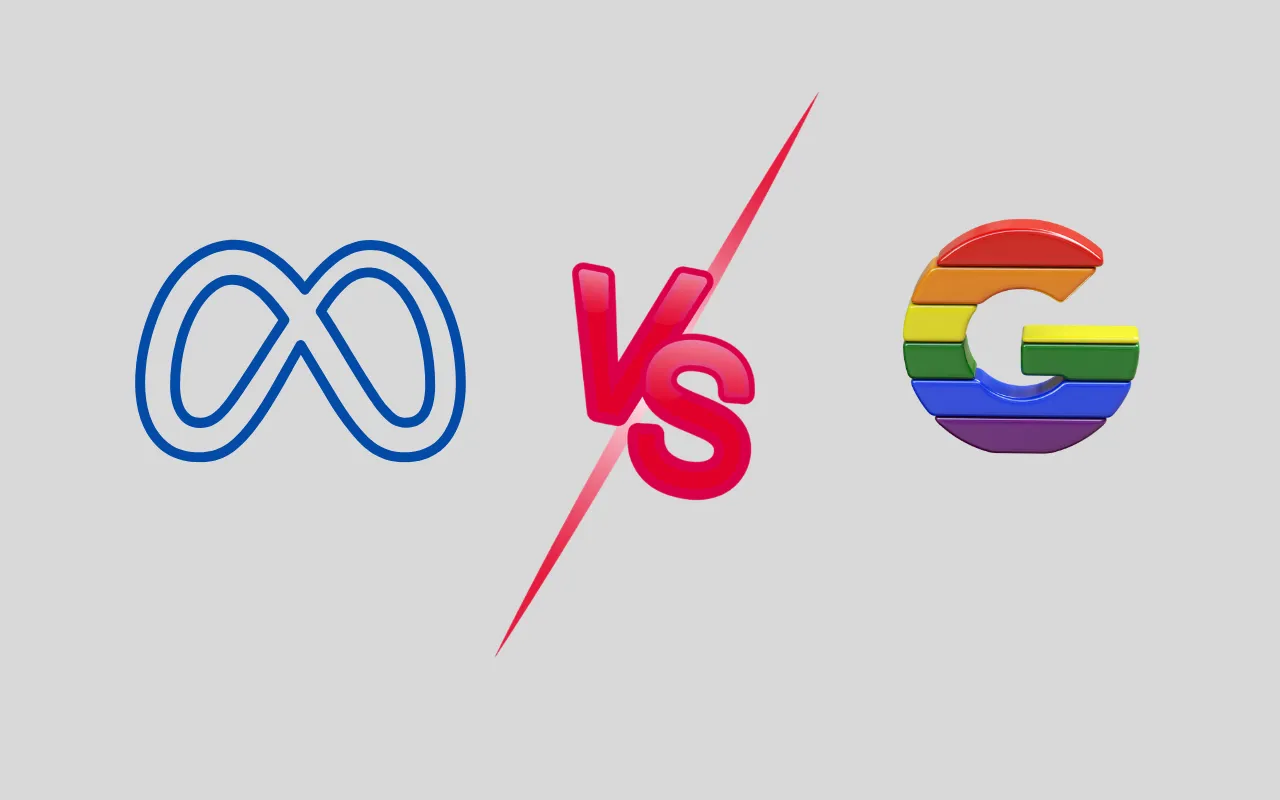
Facebook Ads vs Google Ads for Lead Generation
The biggest difference comes down to intent.
Google Ads often reaches people who are actively looking for a solution. Facebook Ads generally reaches people while they are discovering content and exploring ideas.
Think of Google as someone walking into a shop and asking for a product. Facebook is more like someone walking past your shop window.
The person walking past might not need anything today. However, your offer could catch their attention.
Google can therefore work well for demand that already exists. Facebook can work well for creating interest and reaching new audiences.
Your business may benefit from either platform. The right choice depends on what your customers do before contacting you.
If people frequently search for your service, Google Ads may be a strong starting point. If your service needs visual promotion, Facebook Ads may be worth testing.
Which Platform Is Better for Your Budget?
Your advertising budget matters, especially when you run a small business.
Neither platform guarantees cheap leads. Your costs can vary based on competition, audience, location, industry, and advertising quality.
Google Ads can become expensive when many businesses compete for the same keywords. Competitive industries can require careful campaign management.
Facebook Ads may offer lower costs for reaching large audiences. However, cheaper clicks do not always mean better leads.
You should focus on the cost per qualified lead, rather than simply counting clicks.
Getting 1,000 cheap clicks sounds impressive until you discover nobody contacted your business.
A smaller campaign that produces ten genuine enquiries can be much more valuable.
Match Your Platform to Your Customer Journey
Think about how your customers usually find businesses like yours.
Do they search Google when they need your service? Or do they discover businesses through Facebook and Instagram?
If someone needs emergency plumbing, they are likely to search immediately. Google Ads can capture that existing demand.
However, someone planning a holiday may spend weeks browsing travel ideas. Facebook Ads could help introduce your offer during that discovery process.
The same principle applies to many industries.
You should understand your customer’s journey before spending your advertising budget. Knowing what happens before the enquiry can help you choose the right platform.
A little customer research can save you from spending money on the wrong audience.
Use Strong Landing Pages for Better Results
Getting someone to click your advertisement is only half the job. You also need a website or landing page that encourages action.
Your landing page should match the message in your advertisement. If your advert promises a free consultation, the landing page should clearly explain that offer.
Keep your page simple and focused. Avoid giving visitors twenty different things to click.
Show the benefits of your service and explain what happens next. Include a clear call-to-action and an easy enquiry form.
You should also make your landing page mobile-friendly. Many people will see your advertisements while using their phones.
A great advertisement cannot rescue a confusing landing page. Your ad and website need to work together.
Consider Using Both Platforms
You do not always have to choose one platform.
Using Google Ads and Facebook Ads together can help you reach customers at different stages.
Google can capture people who are actively searching. Facebook can help create awareness and keep your business visible.
You can also use different messages for each audience.
For example, Google could promote a specific service to people searching for it. Facebook could showcase your results, customer stories, or helpful content.
You can then measure which campaigns generate enquiries and customers.
This approach gives you more opportunities to reach potential customers throughout their buying journey.
Track Leads Instead of Vanity Metrics
Clicks and impressions can look exciting on your advertising dashboard. However, they do not necessarily pay your bills.
You should track actions that matter to your business. These could include phone calls, enquiry forms, bookings, consultations, or sales.
Your website should make it possible to measure these actions. Connecting your advertising campaigns with suitable tracking tools can provide useful information.
You can then compare your campaigns based on actual results.
For example, Facebook might generate more leads, while Google might generate fewer but higher-quality leads.
Without proper tracking, you might choose the wrong platform based on surface-level numbers.
The goal is not to win the click competition. The goal is to generate valuable business opportunities.
Test, Learn, and Improve
Your first advertising campaign does not need to be perfect. In fact, expecting perfection from the beginning can make marketing unnecessarily stressful.
Start with a clear goal and a manageable budget. Test different headlines, images, offers, audiences, and landing pages.
Then, pay attention to what happens.
You may discover that one message generates more enquiries than another. You might also find that certain audiences produce better customers.
Use those insights to improve your campaigns.
Paid advertising works best when you treat it as an ongoing process. You test something, learn from the results, and make improvements.
That sounds much better than throwing money at an advert and hoping for a miracle.
Final Thoughts
When comparing Facebook Ads vs Google Ads for lead generation, there is no universal winner.
Google Ads can be excellent when people are actively searching for your products or services. Facebook Ads can be powerful when you want to reach people and create interest.
Your best platform depends on your customers, industry, offer, location, and marketing goals.
You should also remember that advertising alone does not create great leads. Your offer, landing page, website, follow-up process, and customer experience all matter.
Start with the platform that best matches your customer’s behaviour. Track your results carefully and improve your campaigns over time.
If your budget allows, testing both platforms can give you useful insights. You may discover that each platform plays a different role in growing your business.
The smartest approach is not simply choosing Facebook or Google. It is choosing the platform that helps you connect with the right people at the right time.