Why Small Businesses Need a CRM for Lead Management
Running a small business often means wearing several hats at once. You might handle sales, answer emails, manage customers, and update your website.
Then, a new lead arrives while you are busy doing something completely different. You promise yourself that you will follow up later.
Later becomes tomorrow, and tomorrow becomes next week. Suddenly, your promising lead has found another business.
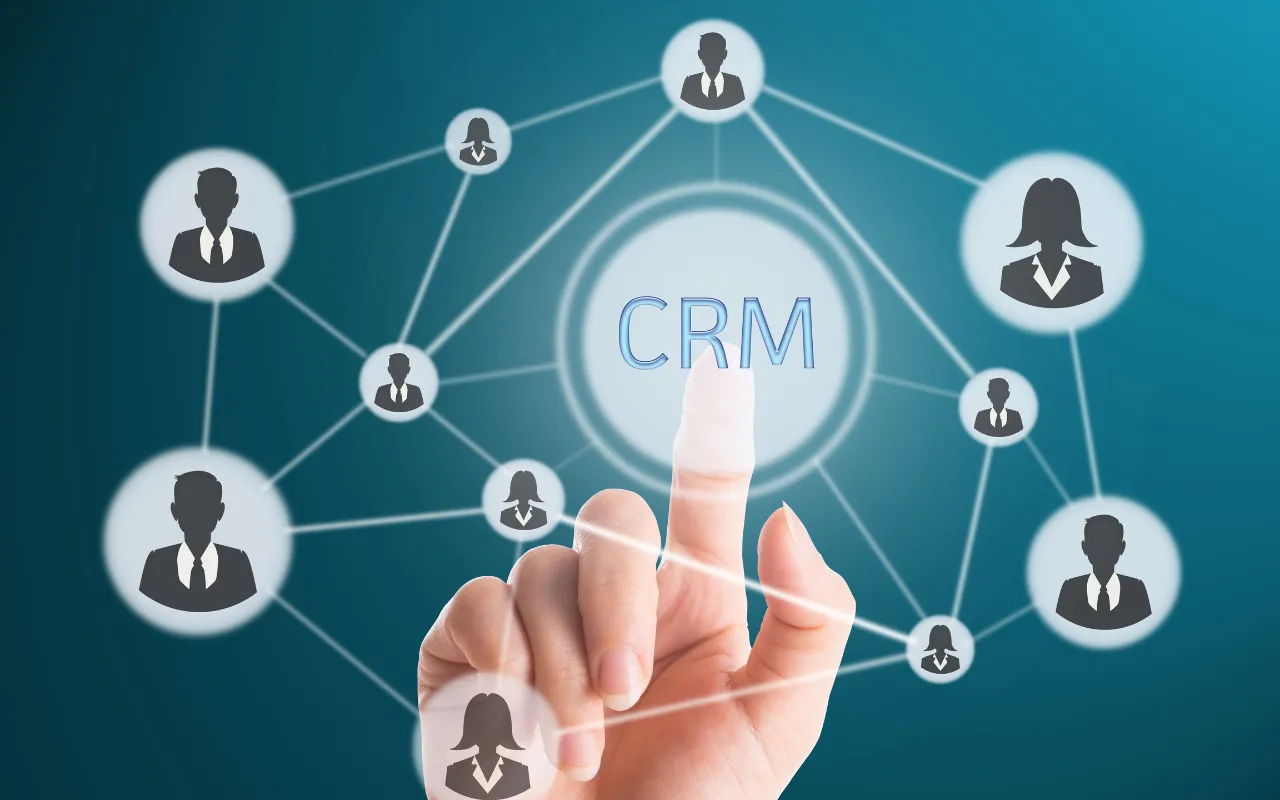
This is where a CRM for lead management can make your life much easier. A CRM gives you one organised place to manage your leads and customer information.
Instead of searching through emails, spreadsheets, notebooks, and phone messages, you can keep everything together. You can see who contacted you, what they need, and what happens next.
You do not need to be a large company to benefit from a CRM. In fact, small businesses can benefit greatly from having a simple system.
Keep All Your Leads in One Place
One of the biggest challenges for small businesses is keeping track of enquiries. Leads can arrive through your website, social media, email, phone, or advertising campaigns.
Without a proper system, important information can easily become scattered. You might have one customer’s details in your inbox and another customer’s details in a spreadsheet.
A CRM brings those details together in one central location. You can store names, contact details, conversations, notes, and other useful information.
This means you spend less time searching for information. You can spend more time actually talking to potential customers.
A tidy lead list might not sound exciting. However, when you are busy, good organisation can feel like having an extra pair of hands.
Never Forget to Follow Up
Following up is one of the most important parts of lead management. Unfortunately, it is also one of the easiest tasks to forget.
You might receive an enquiry on Monday and plan to respond on Tuesday. Then Tuesday becomes Wednesday, and your inbox becomes increasingly crowded.
A CRM can help you stay on top of those follow-ups. You can create reminders, schedule tasks, and record your next action.
You can also see which leads are waiting for a response. This gives you a clear picture of what needs your attention.
Timely follow-up can make your business look more professional. It also shows potential customers that you genuinely care about their enquiry.
You do not need to rely entirely on your memory. Your CRM can remember the boring stuff while you focus on the important stuff.
Understand Where Your Leads Are Coming From
Your leads can come from many different marketing channels. You might use Google Ads, Meta Ads, SEO, social media, email marketing, or your website.
But do you know which channel is actually bringing customers?
A CRM can help you record where your leads originated. You can identify whether an enquiry came from Google, Facebook, your website, or another source.
This information can help you make better marketing decisions. You may discover that one campaign brings many enquiries while another produces very little interest.
You can then focus your time and budget on activities that perform well.
This is especially useful for small businesses because every marketing dollar matters. You want your money working as hard as you do.
Move Leads Through Your Sales Process
Not every lead is ready to buy immediately. Some people need more information before making a decision.
Others may be comparing different businesses. Some may simply be asking for a price before deciding what to do.
A CRM lets you organise leads according to their stage. You might have new enquiries, contacted leads, qualified leads, proposals, and customers.
This gives you a clearer picture of your sales pipeline. You can quickly see which opportunities need attention.
You can also avoid treating every lead exactly the same. Someone ready to buy may need a quick response.
Another person may need helpful information and a little more time.
A simple sales pipeline helps you understand where each person stands. It also makes your daily sales tasks much easier to manage.
Improve Your Customer Communication
Good communication can make a big difference to your customer relationships. People appreciate businesses that remember their previous conversations.
Imagine contacting a potential customer and immediately knowing what they asked about last time. You can continue the conversation instead of asking them to explain everything again.
A CRM stores useful communication history alongside the customer’s information. This helps you keep conversations organised.
You can record calls, emails, notes, appointments, and follow-up activities. You can then quickly review the history before contacting someone.
This creates a smoother experience for both you and your customer.
You also reduce the risk of sending confusing messages. Nobody wants to receive three emails from you asking the same question.
Automate Simple Lead Management Tasks
Small businesses often have limited time. You may want to provide personal service without spending your entire day performing repetitive tasks.
CRM automation can help with some of those routine activities. Depending on your CRM, you can automate notifications, reminders, emails, and lead assignments.
For example, a new website enquiry could automatically create a new lead. You could then receive a notification about the enquiry.
You might also create an automatic email confirming that the enquiry has been received. This gives the customer reassurance while you prepare your response.
Automation does not mean removing the human touch. It simply helps you handle repetitive work more efficiently.
Think of it as putting some of your boring tasks on autopilot.
Make Better Decisions with Lead Data
Your CRM can become a useful source of business information. Over time, you can collect valuable data about your leads and customers.
You might discover which services receive the most enquiries. You could also identify your strongest marketing channels and busiest sales periods.
This information can help you make more informed decisions.
Instead of guessing what is working, you can look at your actual lead data. You can then adjust your marketing, sales, and follow-up strategies.
For a small business, this can make your limited resources go further.
You do not need hundreds of complicated reports. Start with simple information that helps you understand your customers and sales process.
Grow Without Losing Control
A basic spreadsheet might work when you have only a few enquiries. However, things can become difficult as your business grows.
More customers usually mean more conversations, appointments, follow-ups, and information. Managing everything manually can quickly become overwhelming.
A CRM gives you a system that can grow alongside your business. You can add more leads, customers, activities, and processes as needed.
It can also make your business easier to manage if you eventually bring another person into your team.
Instead of explaining everything from scratch, you can give your team access to organised customer information.
This creates a more consistent way of handling leads. It also reduces your dependence on one person’s memory.
Choose a CRM That Fits Your Business
You do not need the biggest or most expensive CRM available. You need one that matches your business and your daily workflow.
Look for features that solve your actual problems. These might include contact management, lead tracking, reminders, email integration, forms, automation, and reporting.
Think about how easy the system is to use too. A CRM with hundreds of features is not useful if you avoid opening it.
Start with the basics and add more features as your needs grow. Your goal should be better organisation, not another complicated project.
A simple CRM that you actually use is usually more valuable than an expensive system that gathers digital dust.
Turn Better Organisation into More Opportunities
A CRM for lead management is not simply a place to store contact details. It can help you organise your sales process and stay connected with potential customers.
You can track enquiries, schedule follow-ups, understand your marketing results, and improve customer communication.
Most importantly, you can reduce the chance of good leads slipping through the cracks.
You do not need a large team or complicated setup to start. Even a simple CRM can give your small business a clearer view of every opportunity.
When your leads are organised, your follow-ups become easier. When your follow-ups improve, more opportunities can move towards becoming customers.
Final Thoughts
Managing leads does not have to feel like chasing paper in the wind. A good CRM can bring your customer information, follow-ups, and sales activities into one simple system.
You can see who contacted you, what they need, and when you should follow up. You can also understand which marketing activities are bringing valuable enquiries.
You do not need an expensive or complicated platform to get started. Choose a CRM that fits your business, learn the essential features, and build your system gradually.
When you use a CRM consistently, you can spend less time searching for information. You can spend more time communicating with customers and growing your business.
For a small business, better organisation can create a surprisingly big difference. Your CRM can help you manage every opportunity more confidently, without letting promising leads disappear into the inbox.